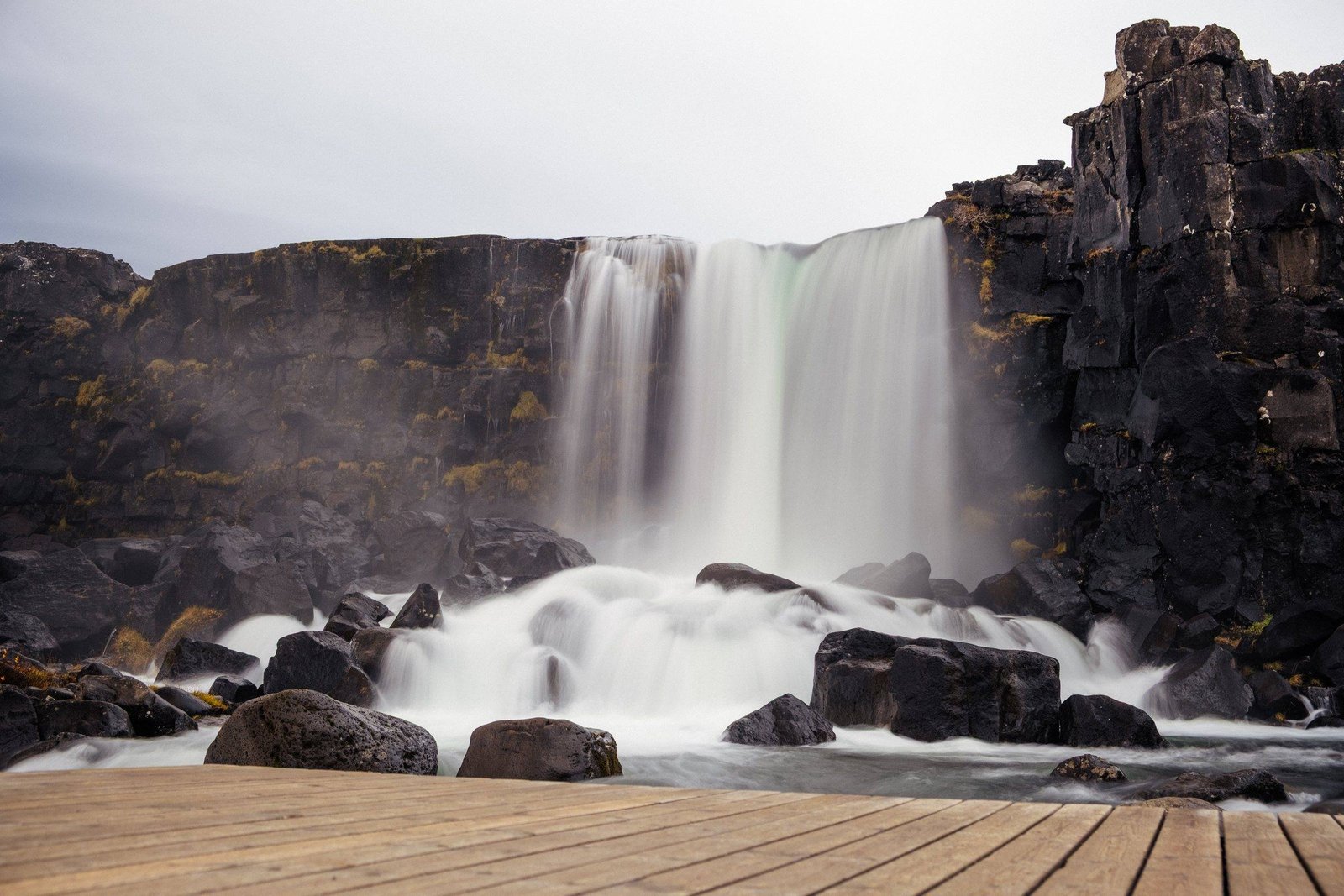
For centuries Iceland's laws lived in one man's voice, on a rock in the middle of a rift. In the same valley, between 1618 and 1749, eighteen women were drowned in a pool of the river. In 1944, in the rain, the republic was born there.
A farmer's daughter who waded rivers to save Gullfoss, a film director who gave Geysir to the Icelanders, a crater with a gate, a tomato greenhouse and a bishop who, before dying, answered "I know". Iceland's most famous loop told through the people who lived along it.
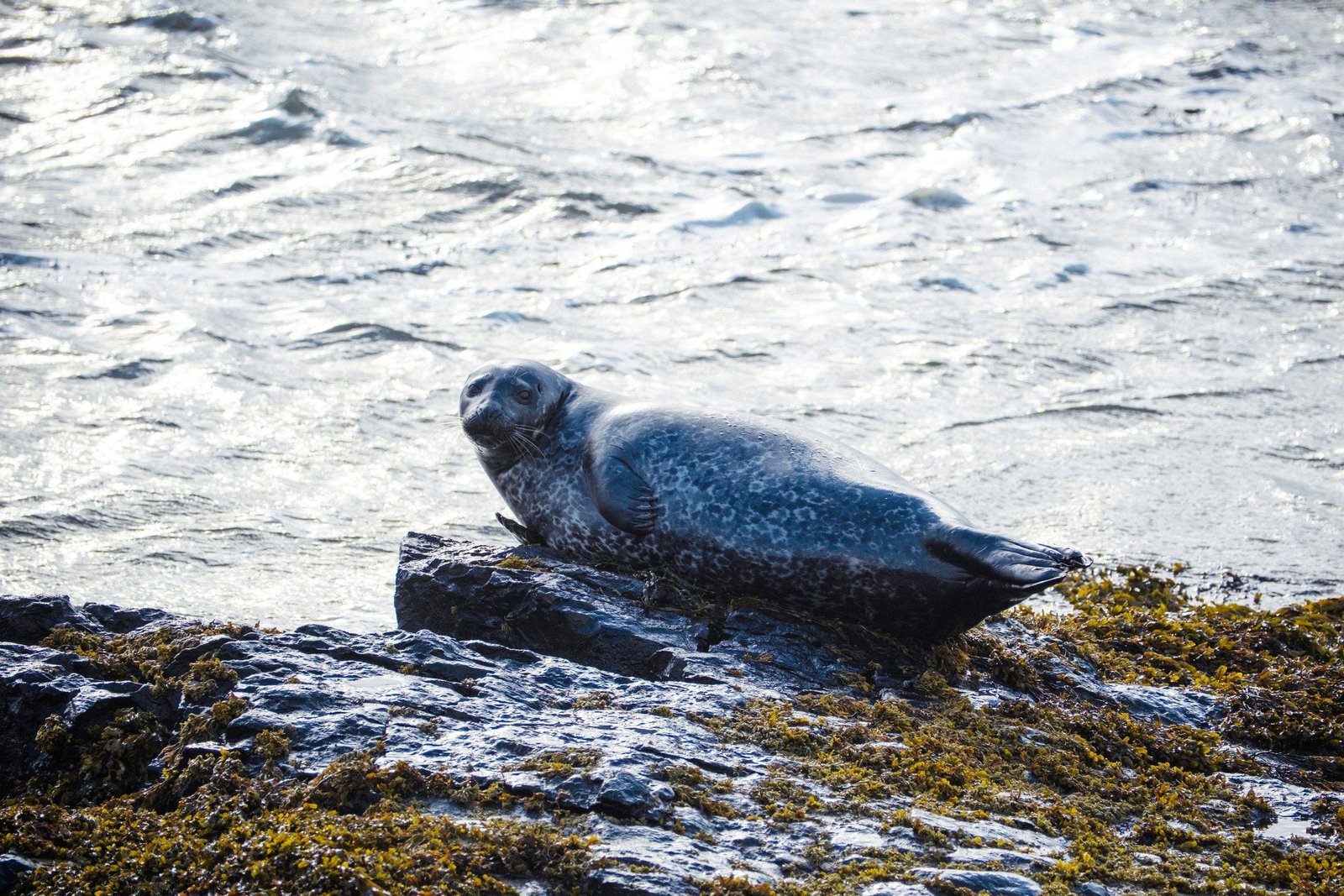
In an Icelandic folk tale a seal woman leaves seven children on land and goes back to the seven she has in the sea. In real life, since 1980, Iceland's harbour seals have fallen by two thirds. The people who count them, the ones who hunted them and those who walk miles of beach to know how many are left.
In 2019 Icelanders put up a plaque where a glacier used to be, Okjökull. Since 1930 a network of volunteers has gone out every autumn to measure how far the others have retreated, with a tape measure, a pencil and a paper form.
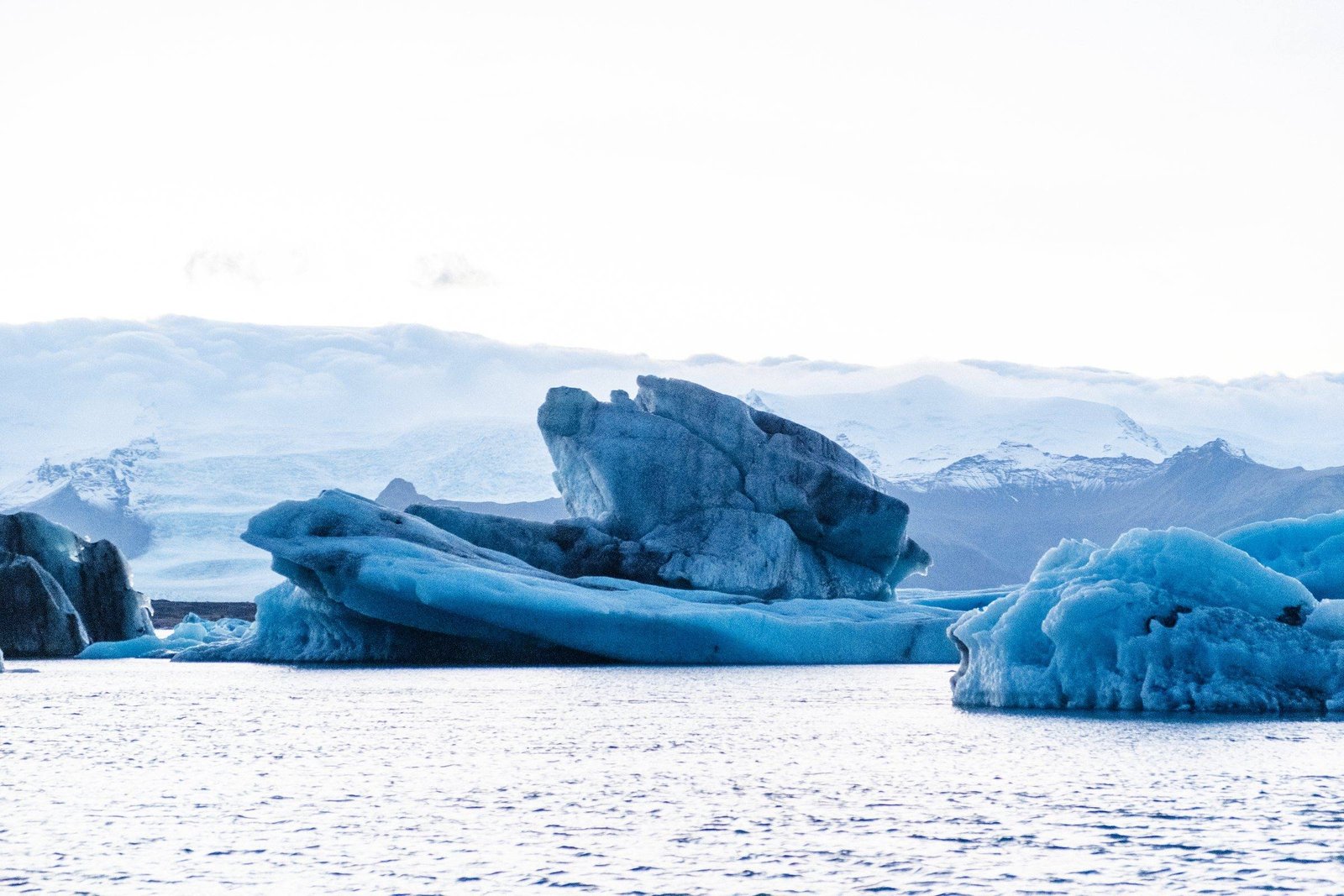
On the Breiðamerkursandur plain, where a saga sets the end of Kári's revenge, the ice swallowed the farms and then drew back. In its place, since 1934, there is a lagoon 284 metres deep that keeps on growing.
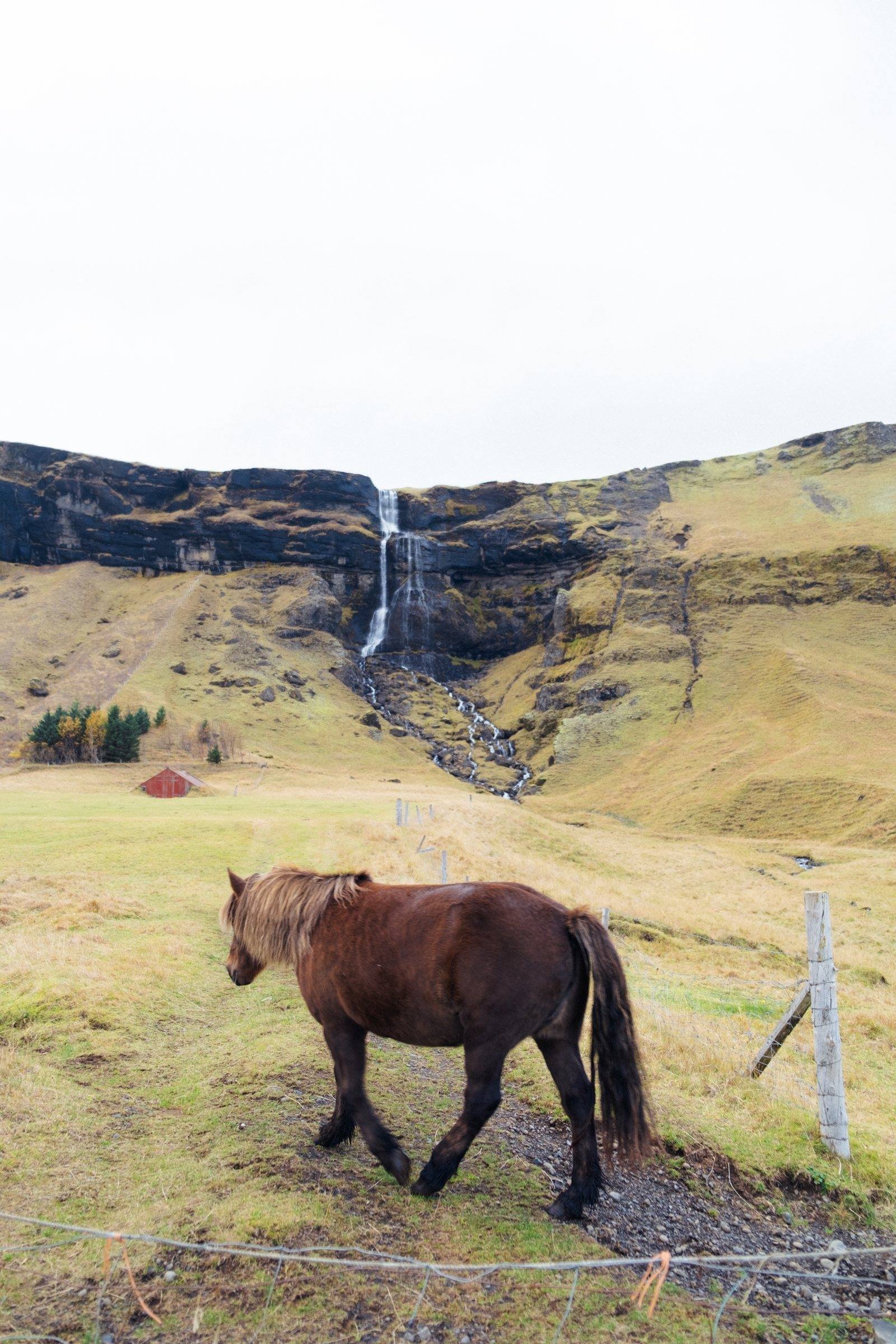
An Icelandic horse that leaves the island can never come back, not even after a competition. Behind this rule lie a thousand years of isolation, a saga, a winter of poisonous haze and riders who say goodbye to their horses the morning after they win.
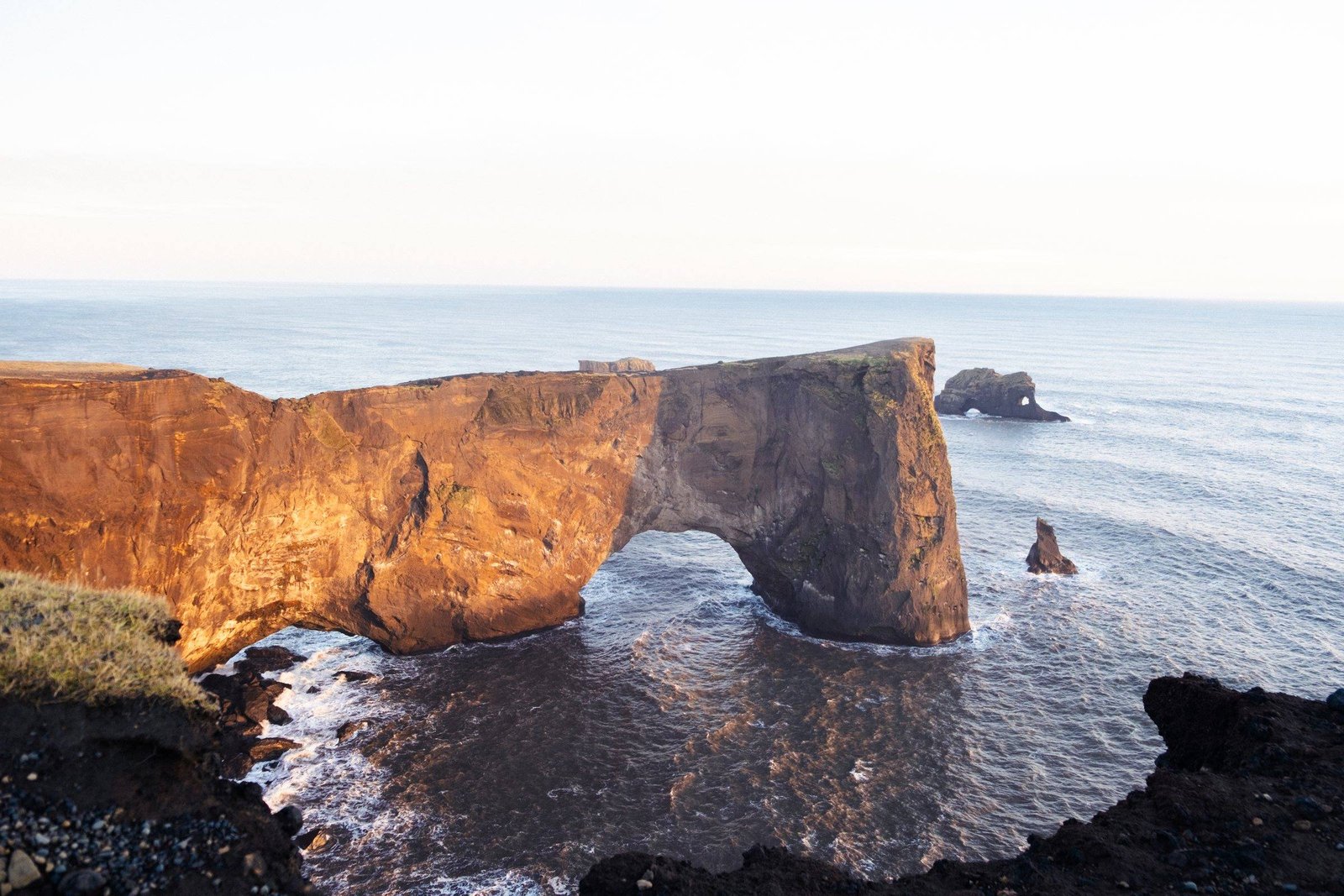
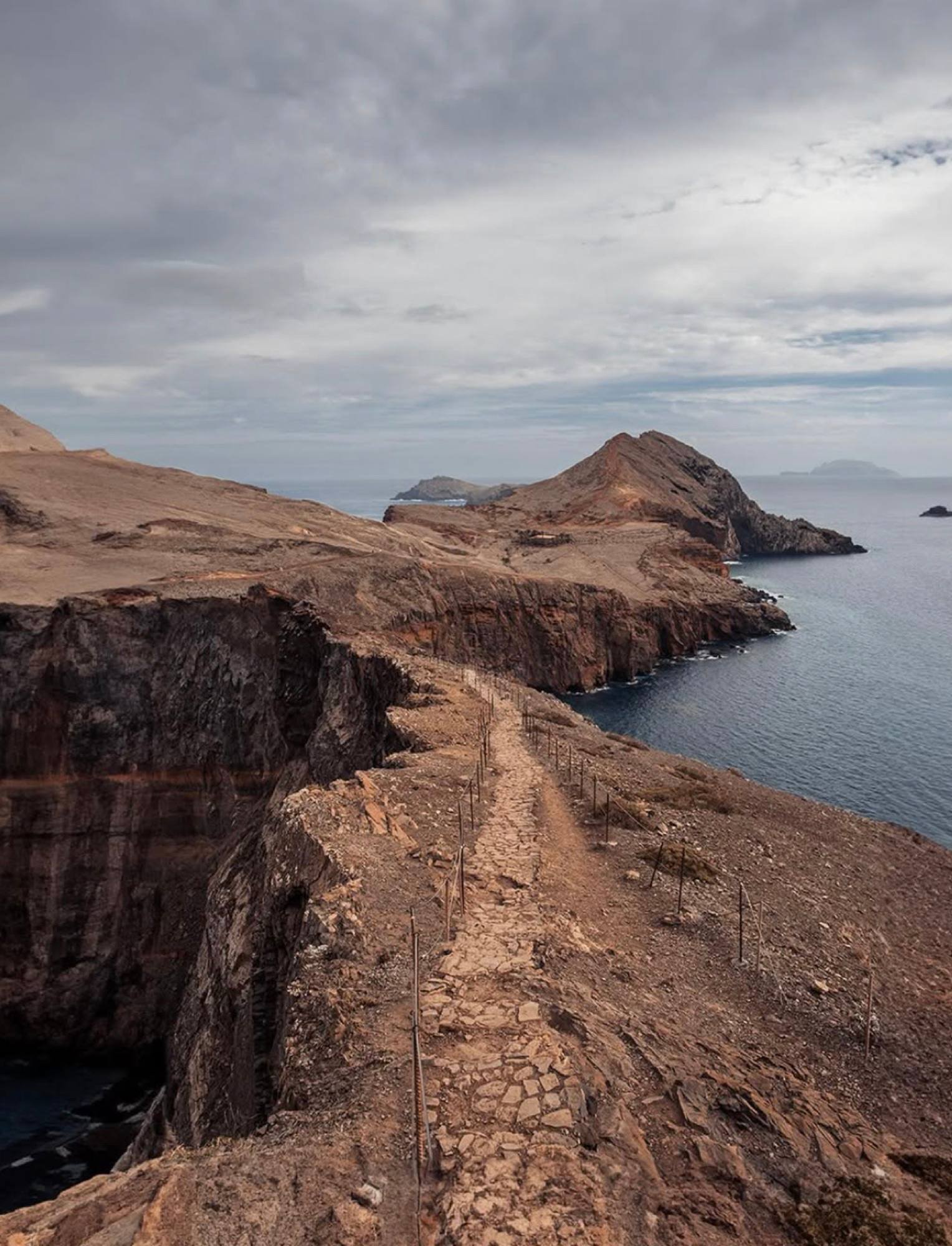
A 120-metre headland with a lava arch fifty metres wide, a lighthouse built twice and a puffin colony that someone has been watching since 2012. In 1993 a small plane flew through the arch three times.
In 2019 an Icelandic ranger turned down a free trip to Dubai rather than let someone past a barrier. Behind it lay a moss-covered canyon made famous by a music video, and ground too fragile to bear a million visitors.
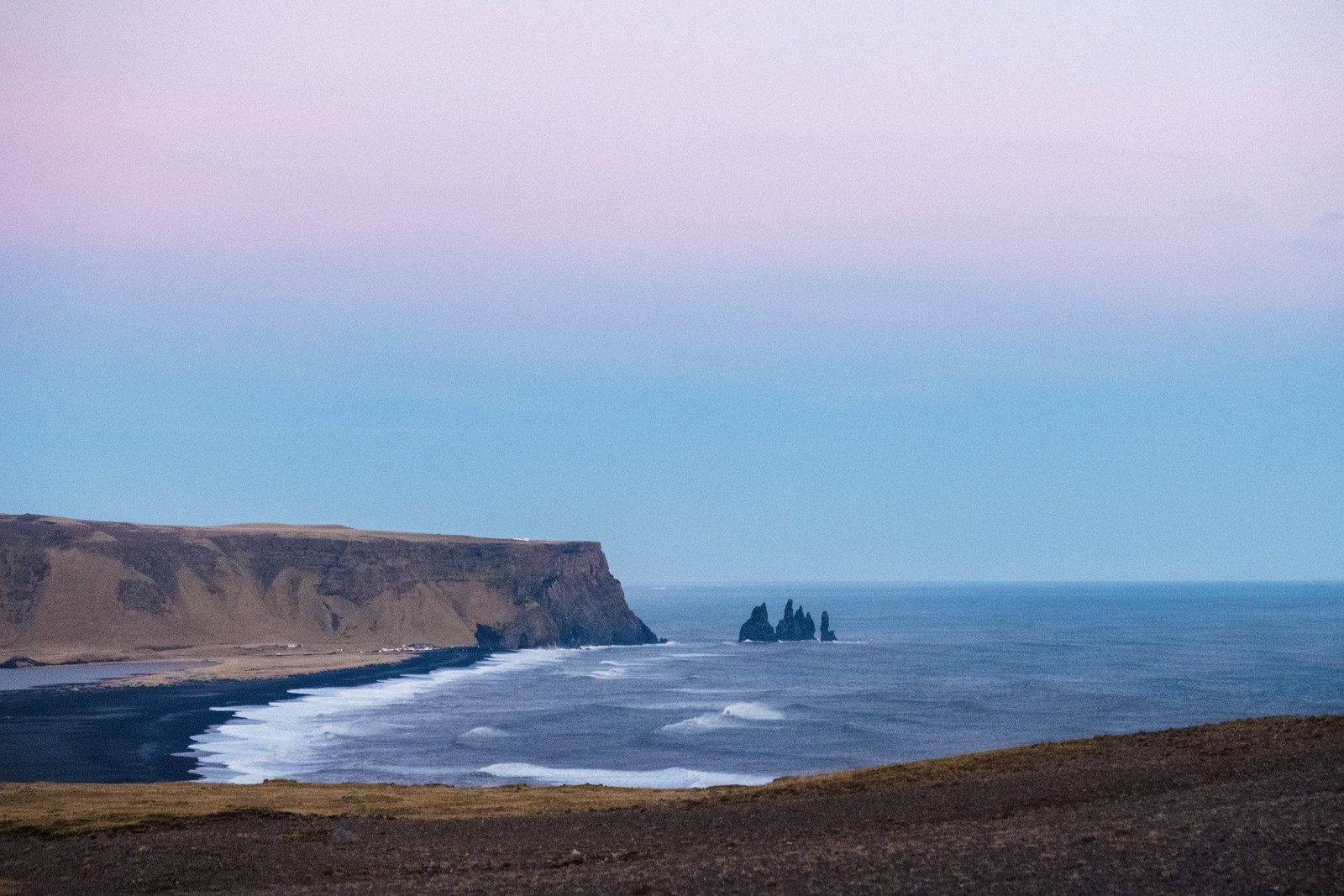
A private black beach, two trolls turned to stone, the fishermen who once set out from here and the waves that have killed six people since 2007. The story of Reynisfjara told by those who live there, study it and try to make it less dangerous.
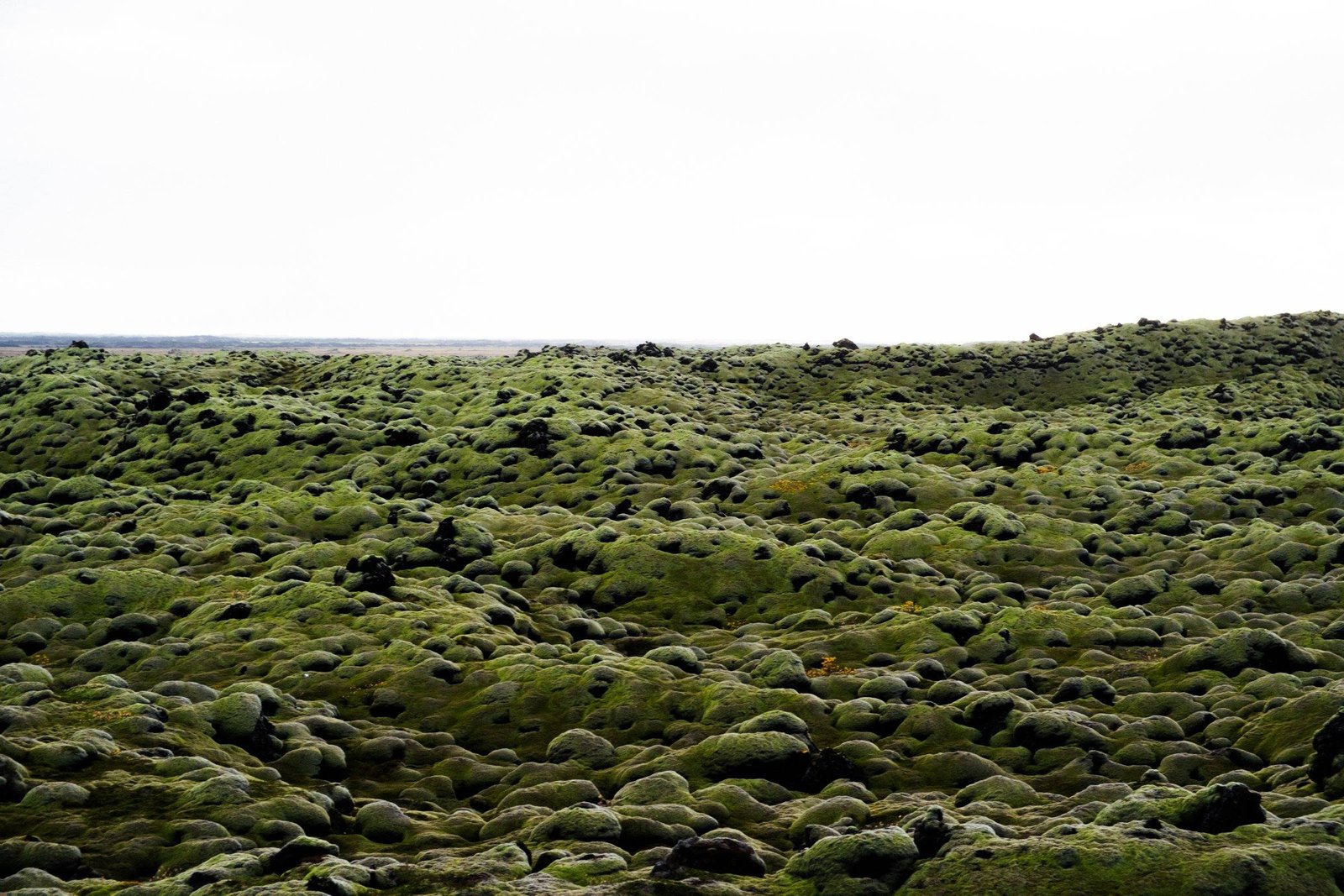
In 1783 ten fissures opened in the south of Iceland, and in the famine that followed one Icelander in five died. Moss now grows over that lava, a millimetre or so a year. A priest, Jón Steingrímsson, wrote it all down.
On the southern tip of the Westman Islands a man looked at the sky every three hours from 1952 to 2014, and missed only one observation. Stories of wind, storms, words for rain and a country that lives with the weather.
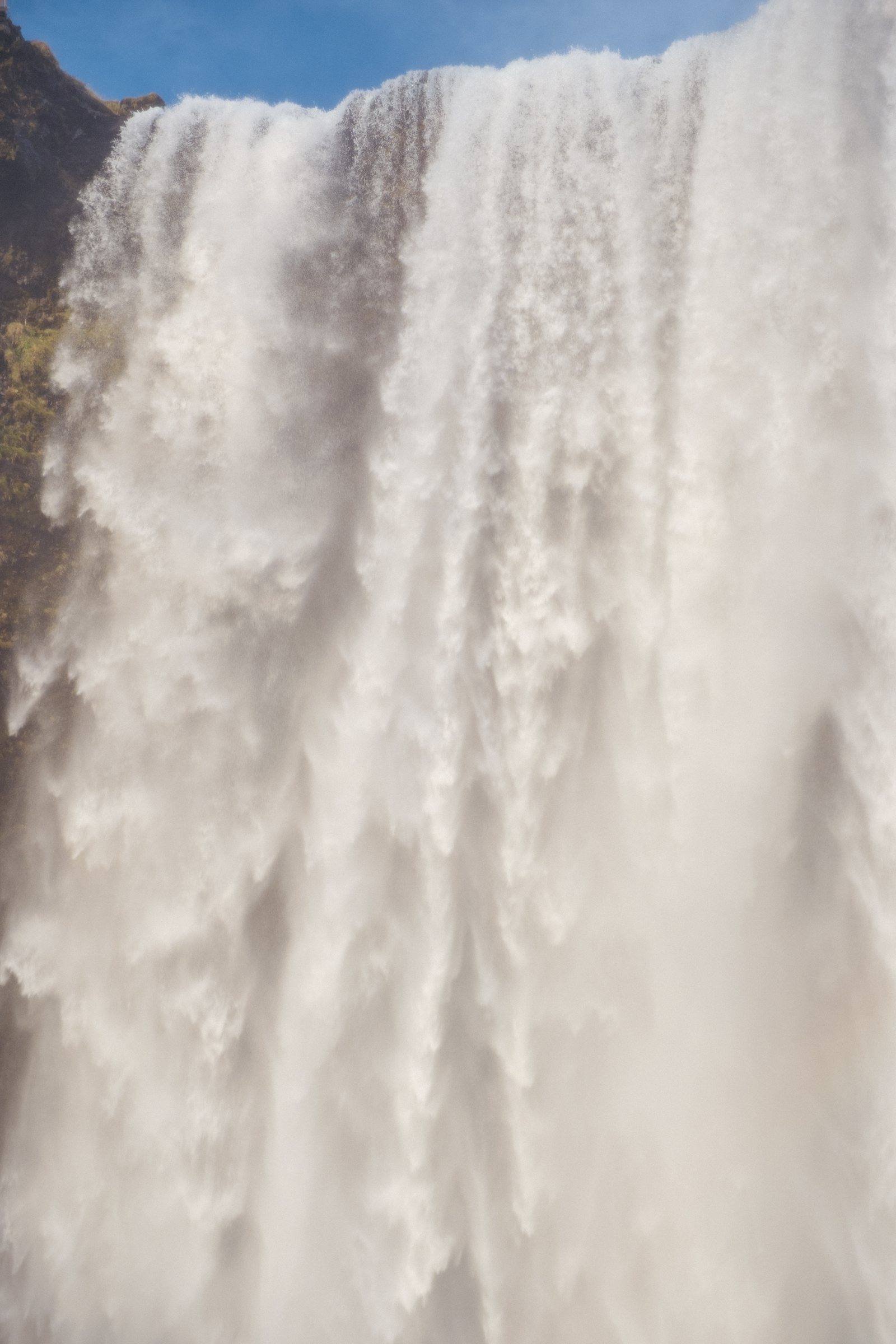
Under Skógafoss, the legend says, there is a chest of gold, and of that chest a ring remains. In the Skógar museum, next to the ring, there is another chest: that of four men who set out in October 1868 and never arrived.
A shipwreck survivor, José says he was told he would never walk again. Since then, he says, he has walked more than three times round the world. We met him in a garden, the evening before Santiago.
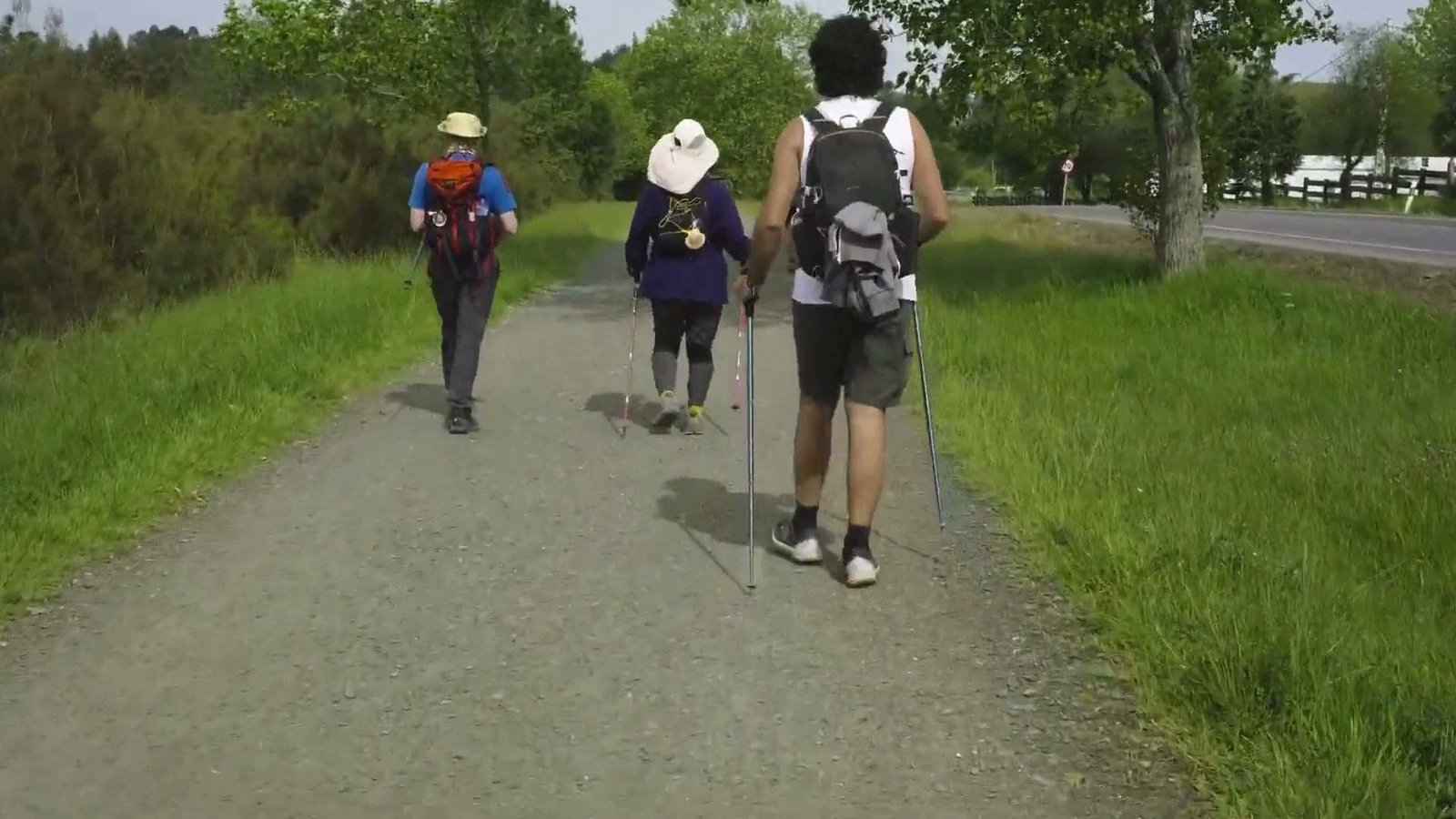
You start talking to someone you've never seen before. A while later you're still there, and the day's stage can wait. On the Camino de Santiago, getting to know people comes easily. Going home with them inside you, even more so.
He retired and set off walking with his daughter. We met him on the road, and what he said made us think about the time we keep putting off with the people we love.
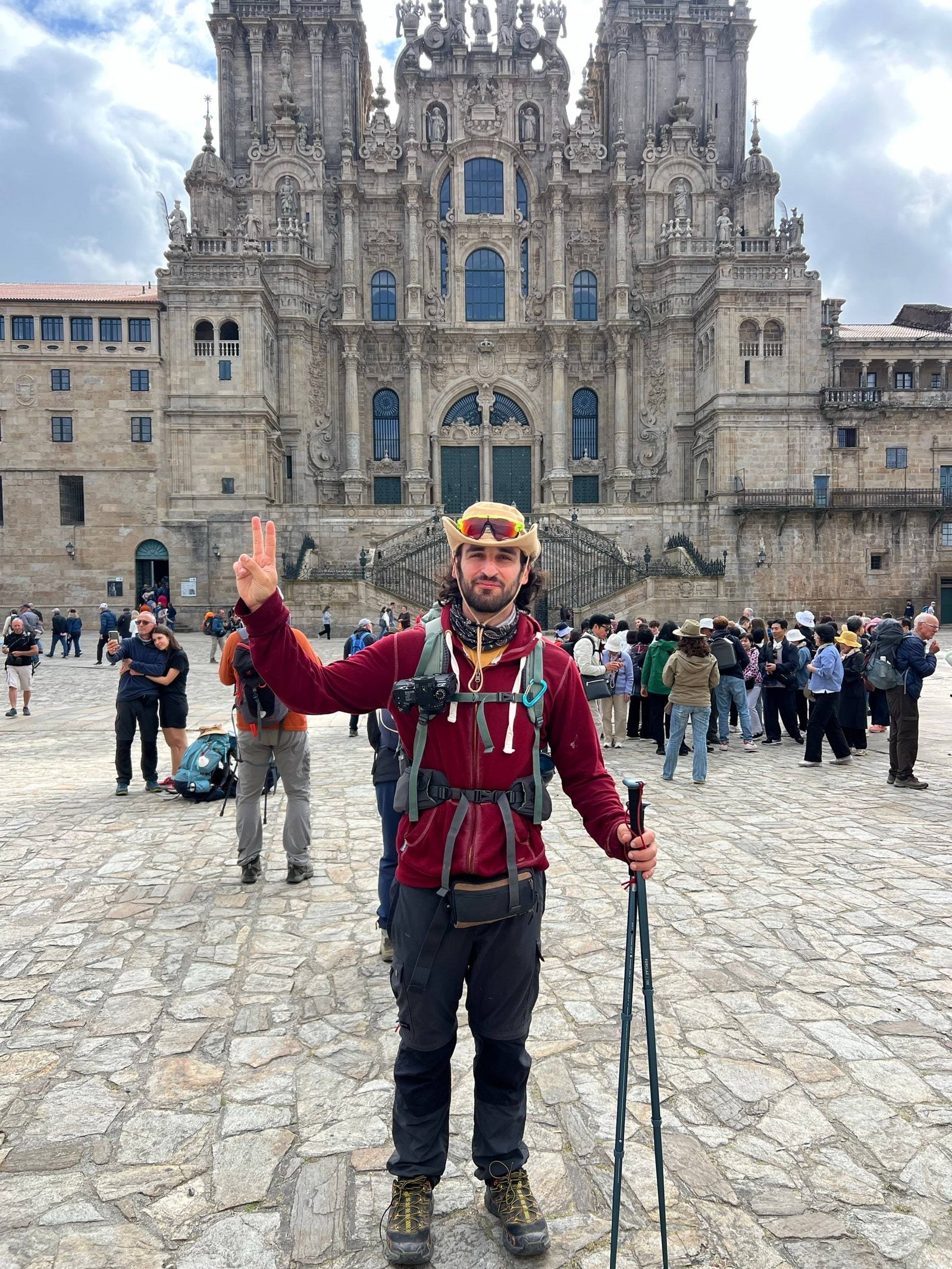
Before leaving, Vincenzo would answer "maybe, we'll see". Then the road, the encounters, a climb we hoped was the last and the cathedral in front of us.
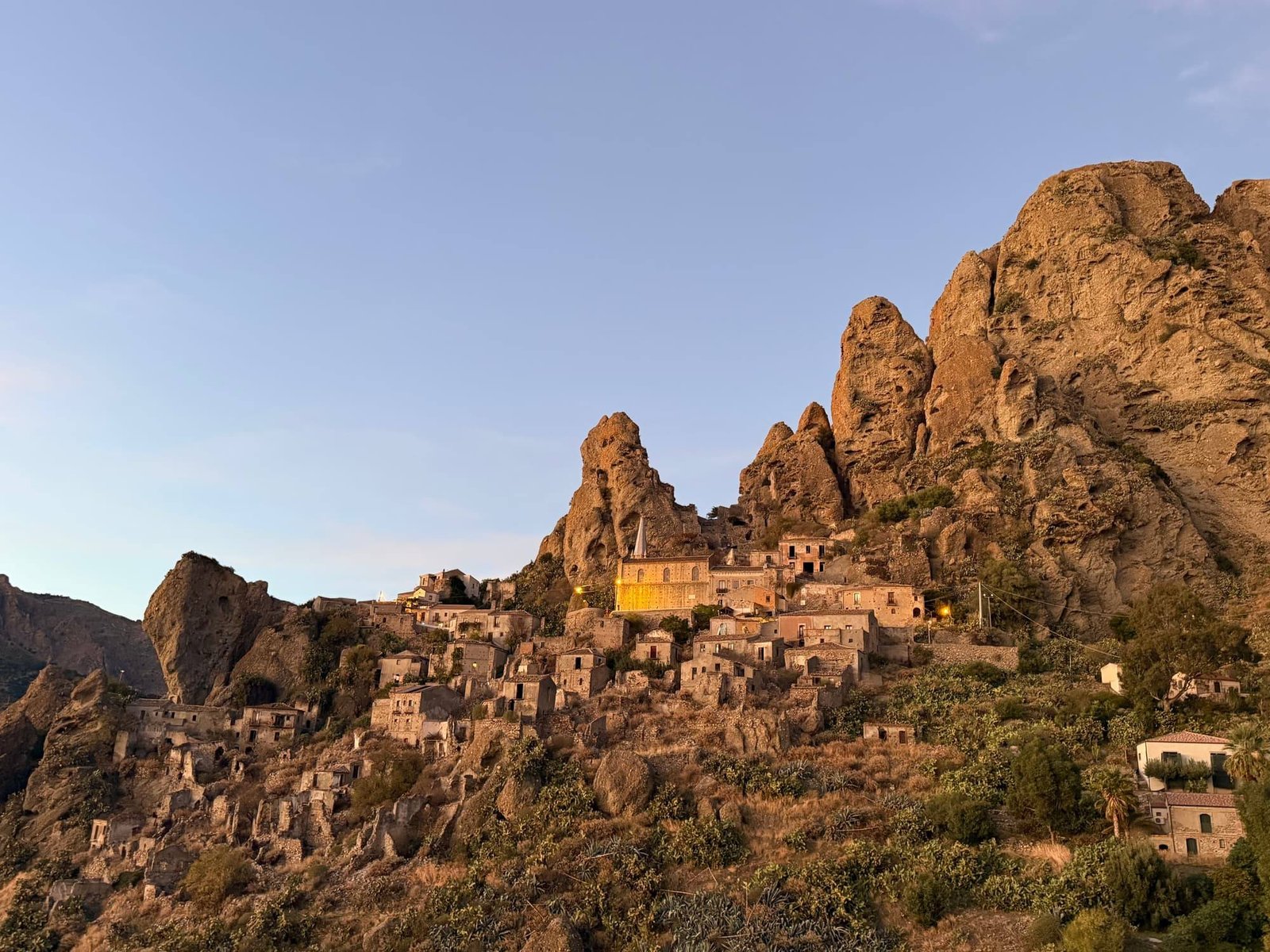
Fifteen days on the road in October, to show that Calabria doesn't end with summer. A trip made of places rarely talked about, of local businesses that are true excellence, of people and of the unexpected.
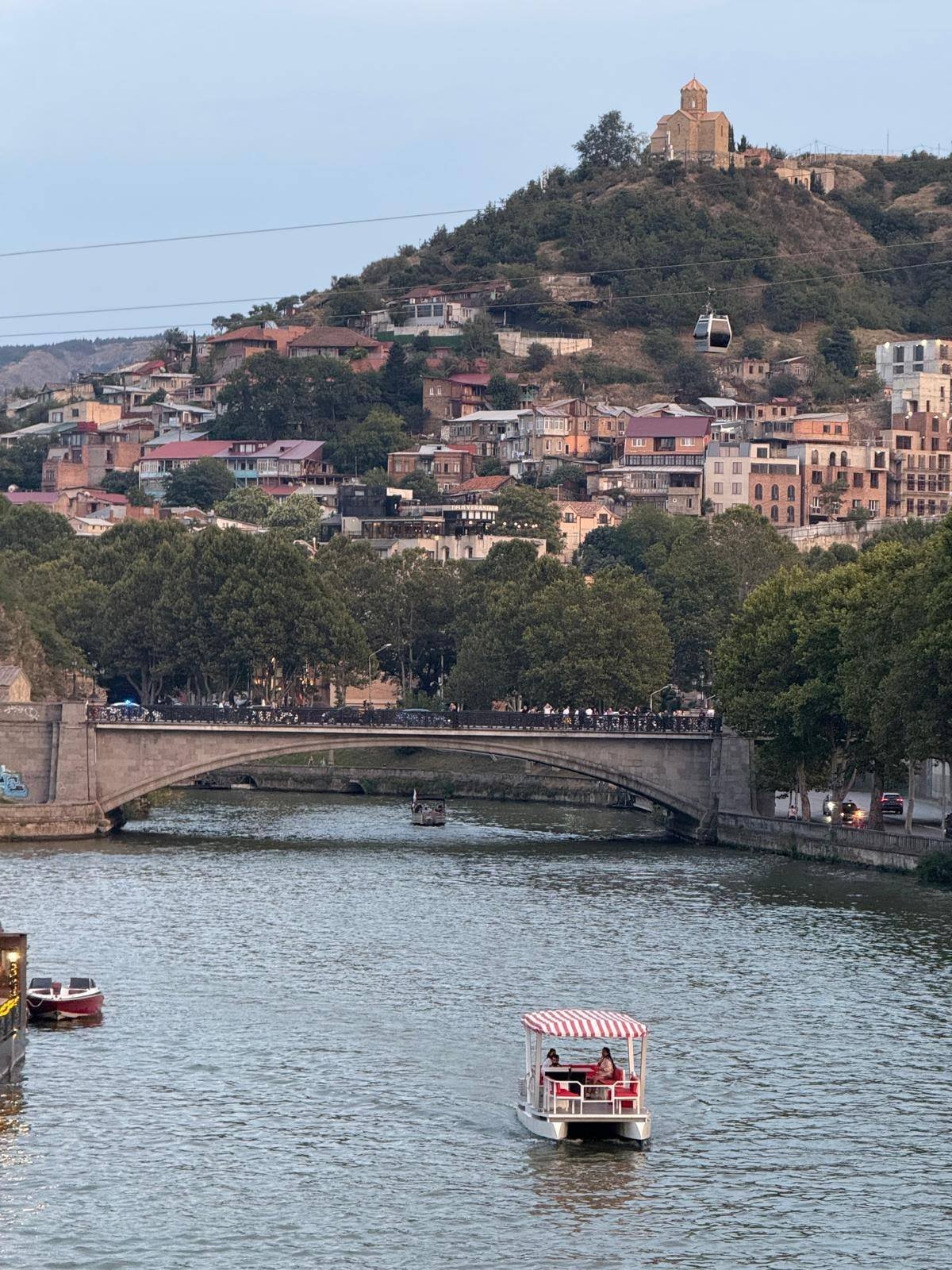
The din of a city set among the Caucasus mountains, its Soviet past still in plain sight, European flags on the balconies and a receipt that recalls a war that never ended.
Iceland, the wish to go there and the fear of arriving only to take a photograph again. A personal reflection on what we lose when the story comes before the journey.
At the end of a fjord in the Westfjords, in the same valley, two men lived alone. One built concrete lions. The other lived without electricity, and Iceland saw him on television on Christmas Day 1981.
"The 10 things you absolutely must see". We have written them too, we admit it. But the trips we really remember are the ones where we lost the list. A small manifesto for travelling more slowly.
Coffee poured before any question, rotten shark, rice eaten with your hands. Why the best way to understand a place goes through your mouth, and why saying no is almost always a mistake.
We use technical cookies, needed for the site to work, and, only with your consent, Google Analytics statistics cookies. You can change your choice at any time from “Cookie preferences” at the bottom of the page. Cookie policy