

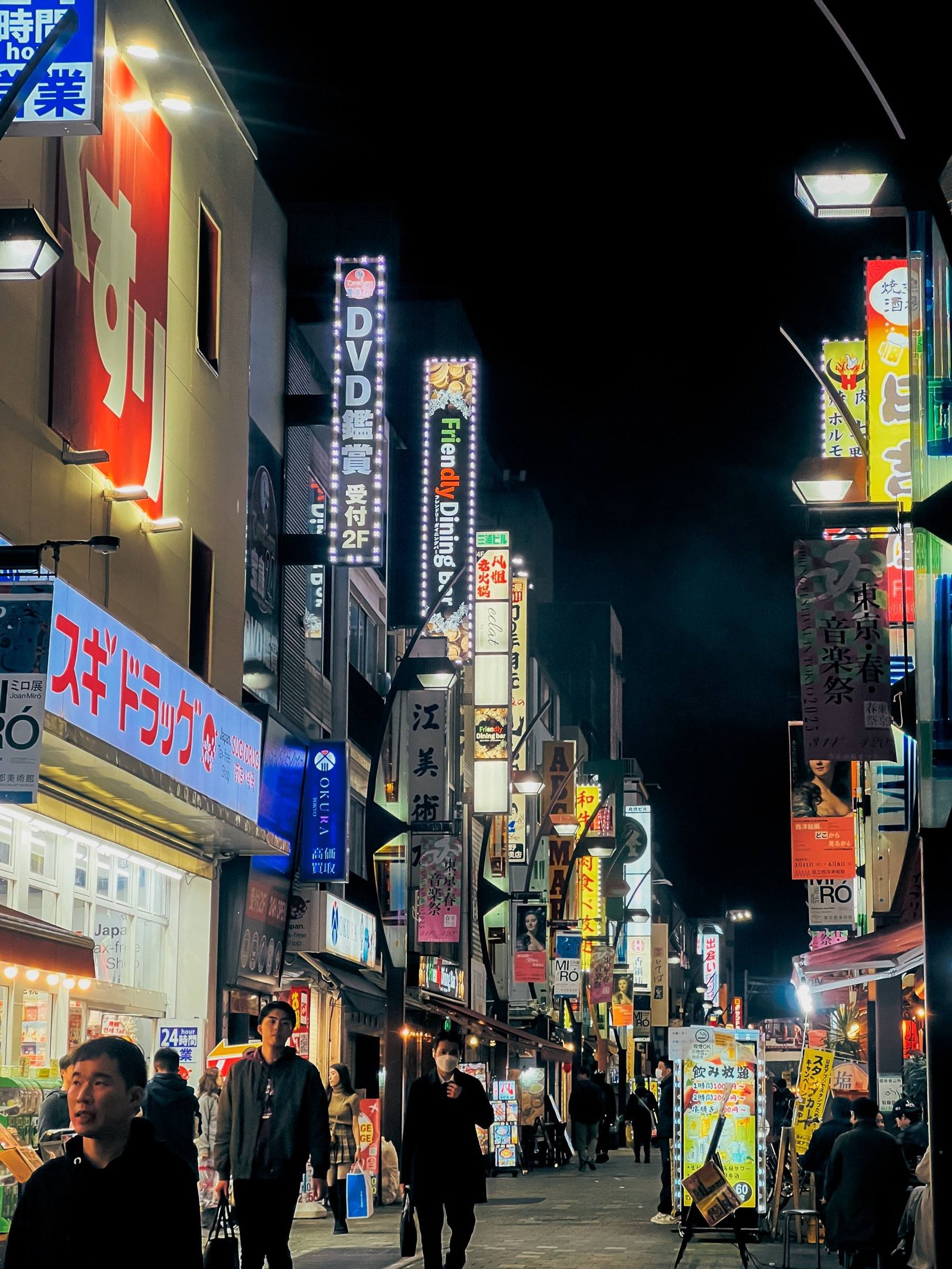
A railway company that apologises for leaving 20 seconds early, cities without bins, tips that offend. Japan's unwritten rules, explained for first-time visitors.
Customs, food and history of the places we have been to. Every article lists its sources at the end.
13 articles
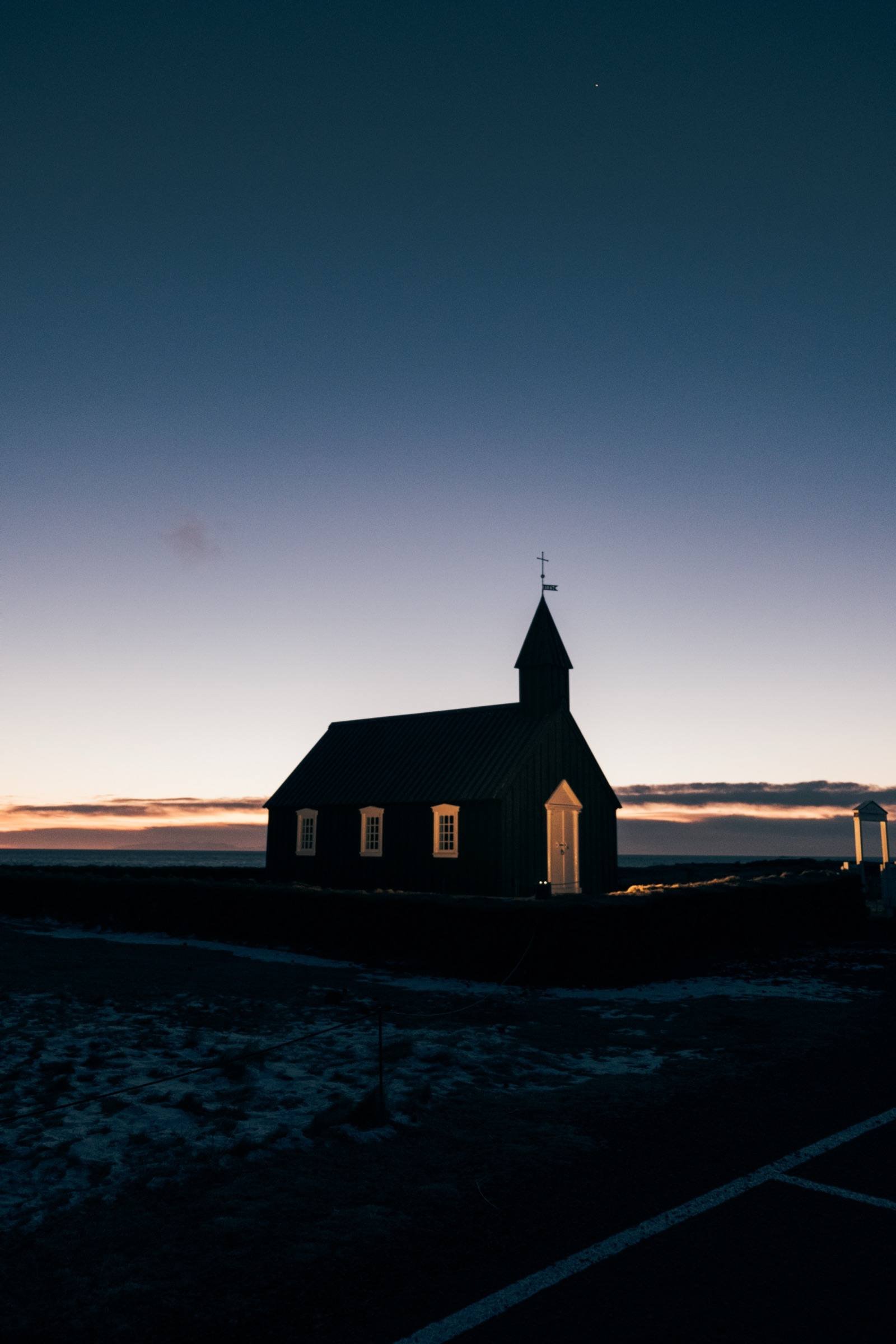
Beer banned until 1989, a phone book in order of first names, an app so you don't kiss your cousin. Ten curiosities about Iceland that guidebooks put at the back, if at all.
A railway company that apologises for leaving 20 seconds early, cities without bins, tips that offend. Japan's unwritten rules, explained for first-time visitors.
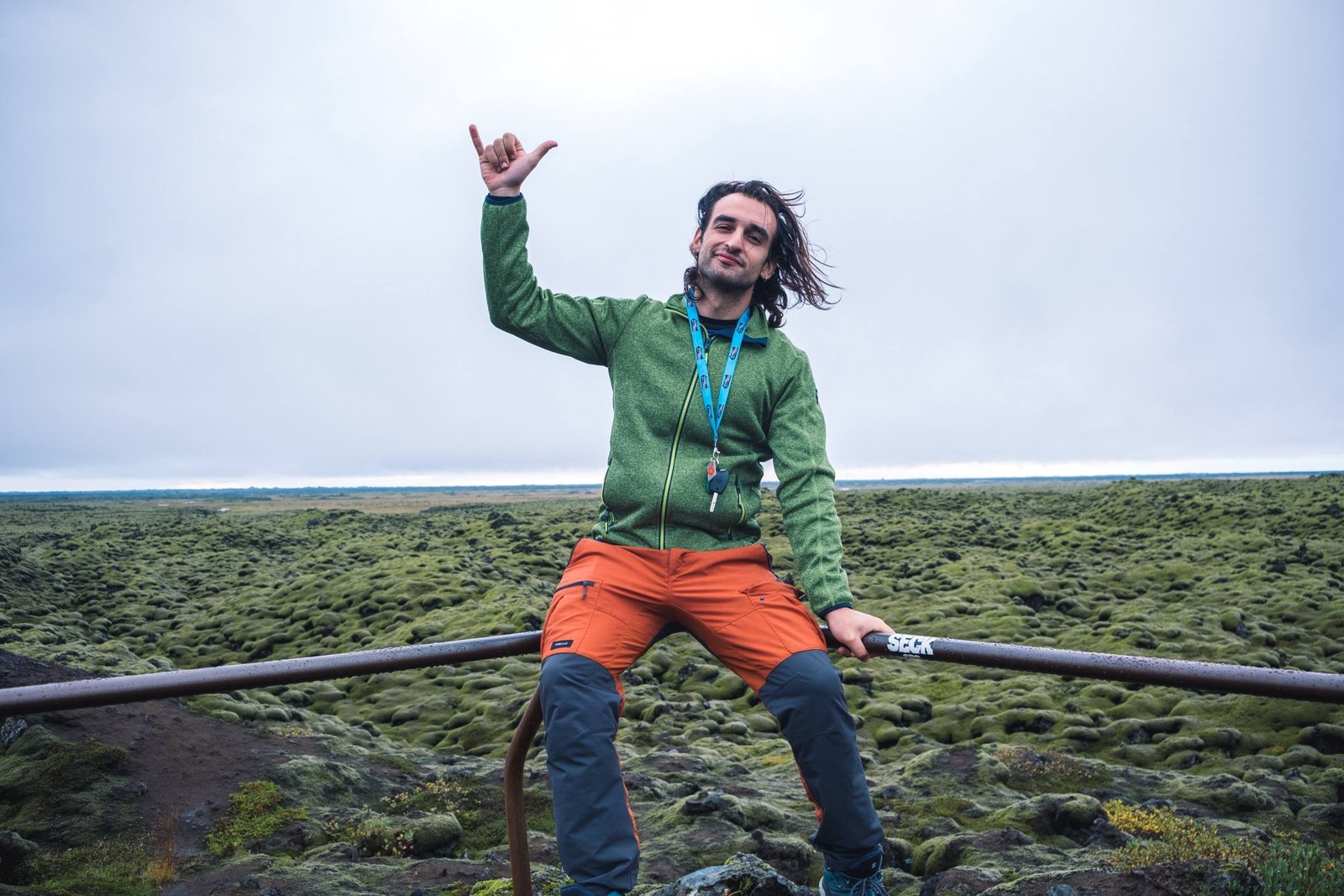
Huldufólk, the hidden people. Diverted roads, rocks moved with care and an elf school in Reykjavík. How much of it is true, and why in the end it's a story about respect for the land.

A shark that lives for centuries, meat that is toxic when fresh, months hanging in the wind. What hákarl is, how it is made and when Icelanders eat it.
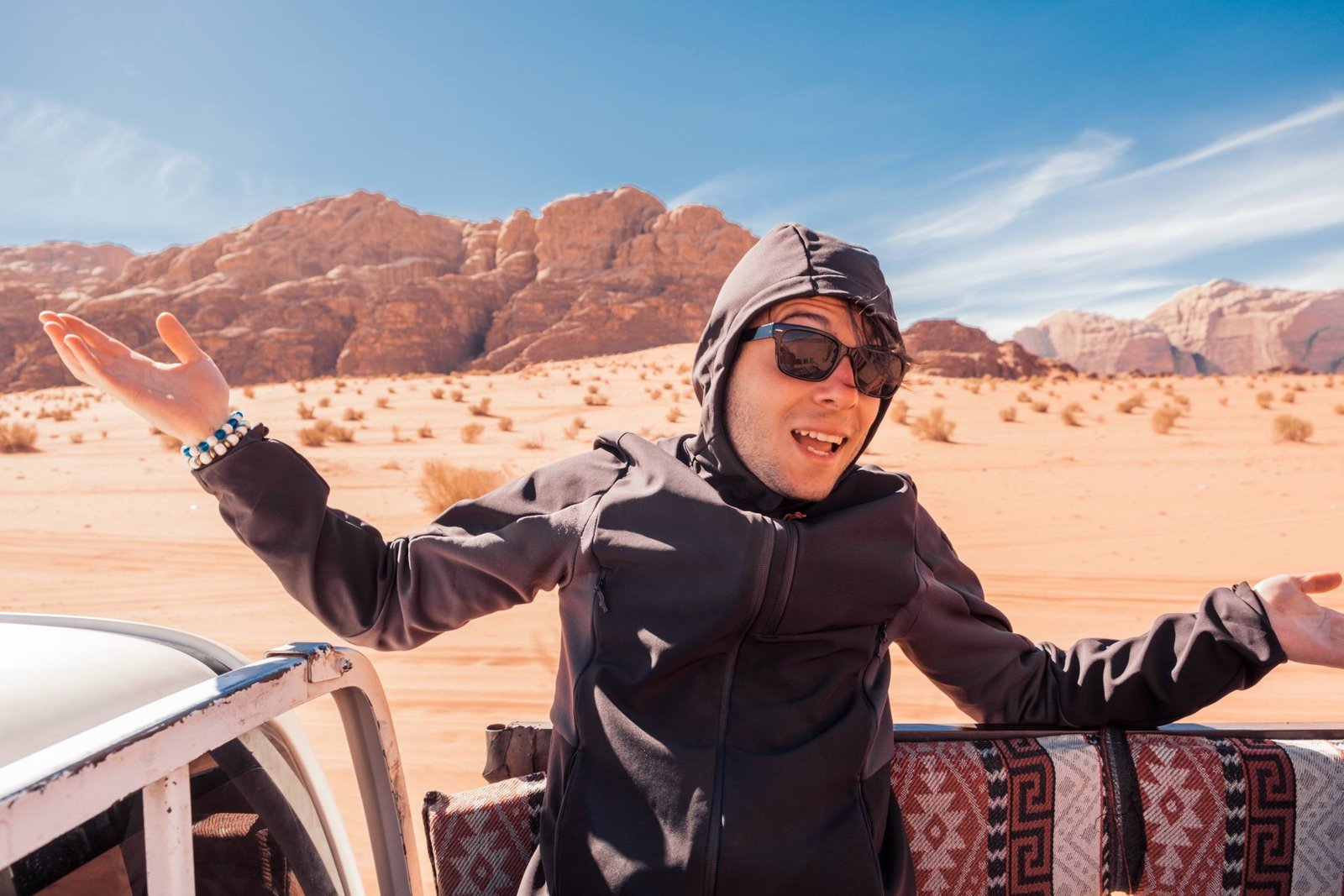
Cups without handles, cardamom, a host who keeps pouring until you make the right gesture. Bedouin coffee and desert hospitality, explained for anyone who doesn't want to put a foot wrong.
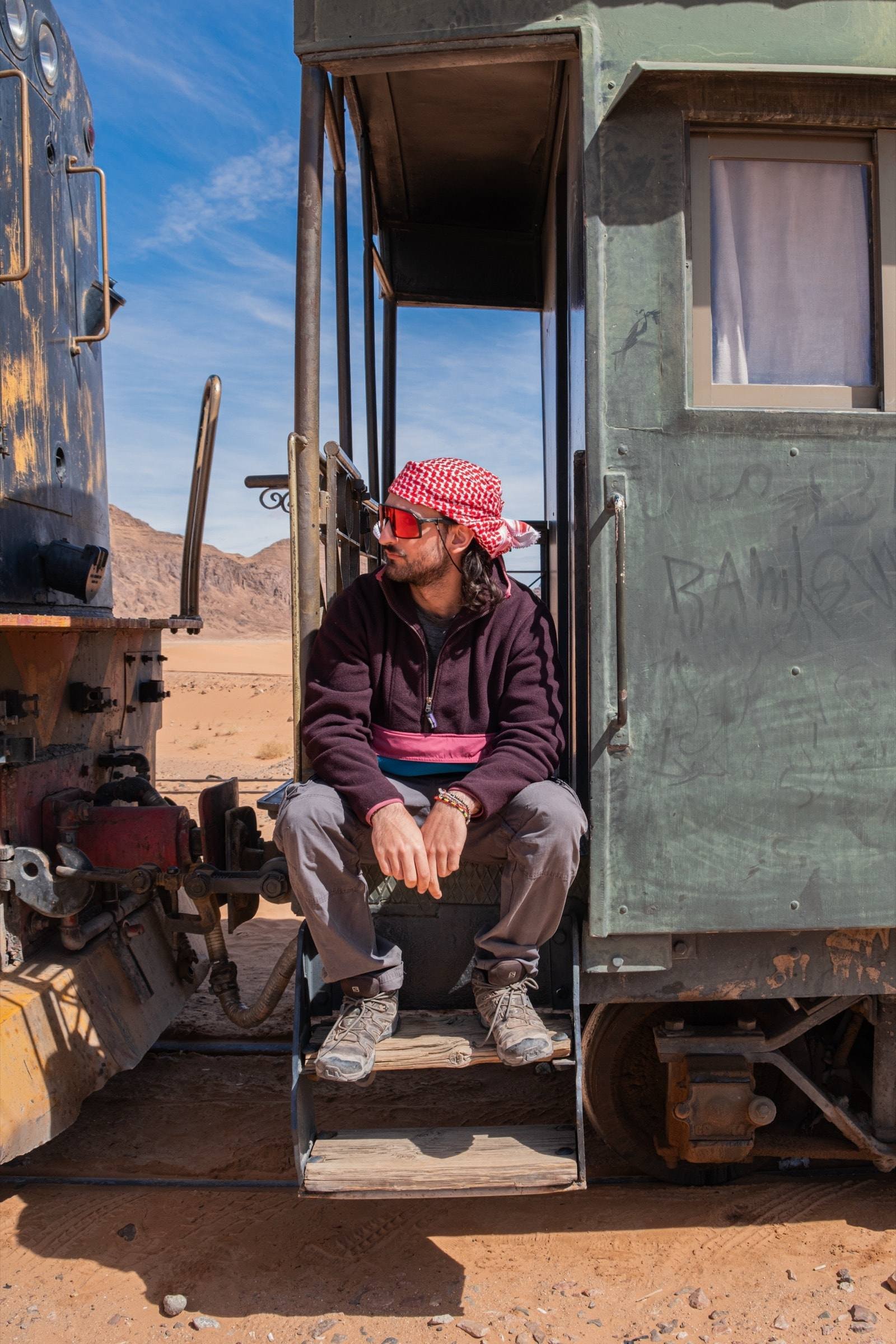
The desert of southern Jordan isn't empty. The Zalabia Bedouin live there: they look after it, guide visitors through it and cook under its sand. Who they are, how their life has changed and what to know before spending a night there.
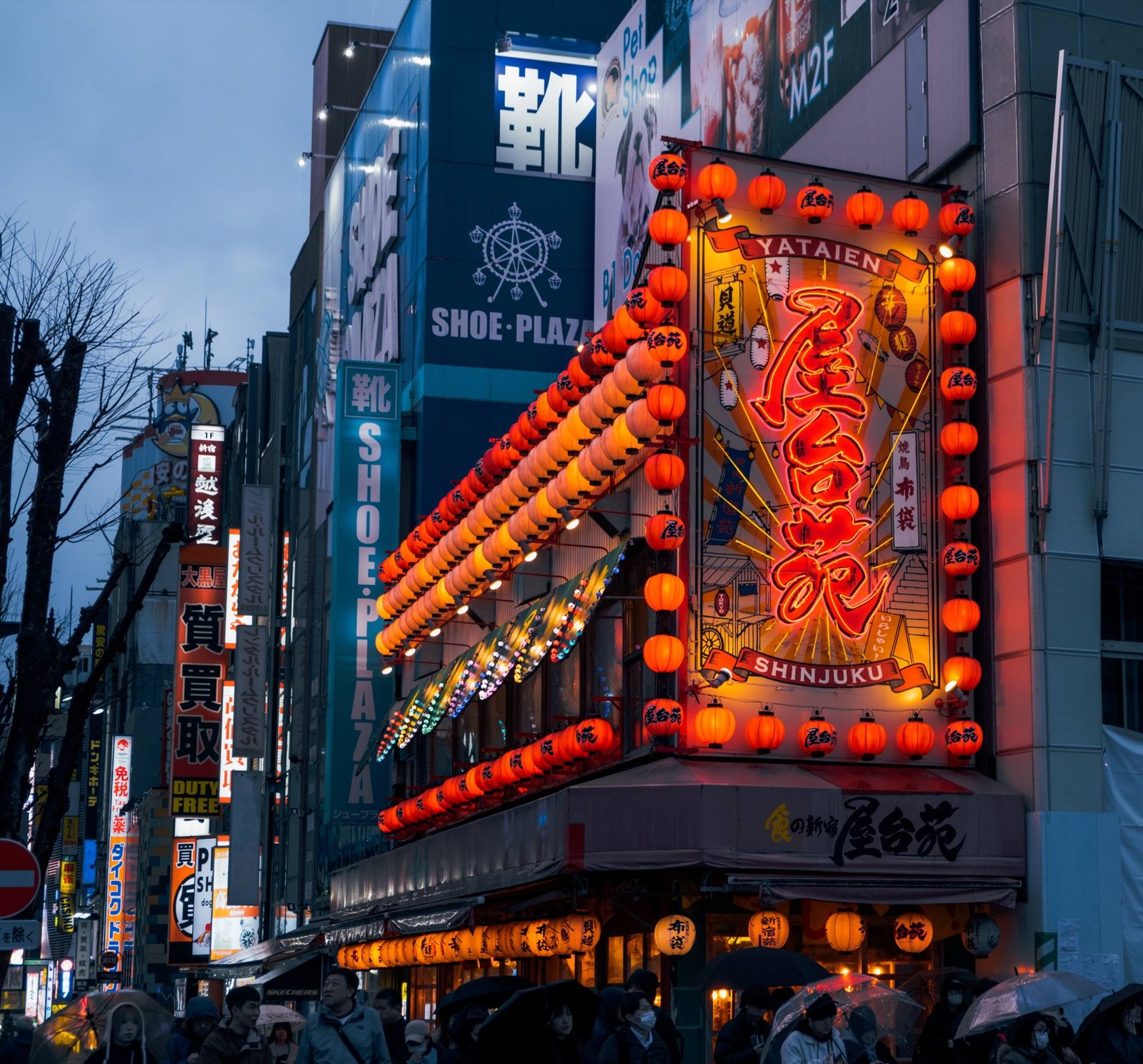
In Osaka there is a word for all this: kuidaore, ruining yourself by eating. The Dōtonbori district, the sign of the running man since 1935 and what to taste among the stalls.
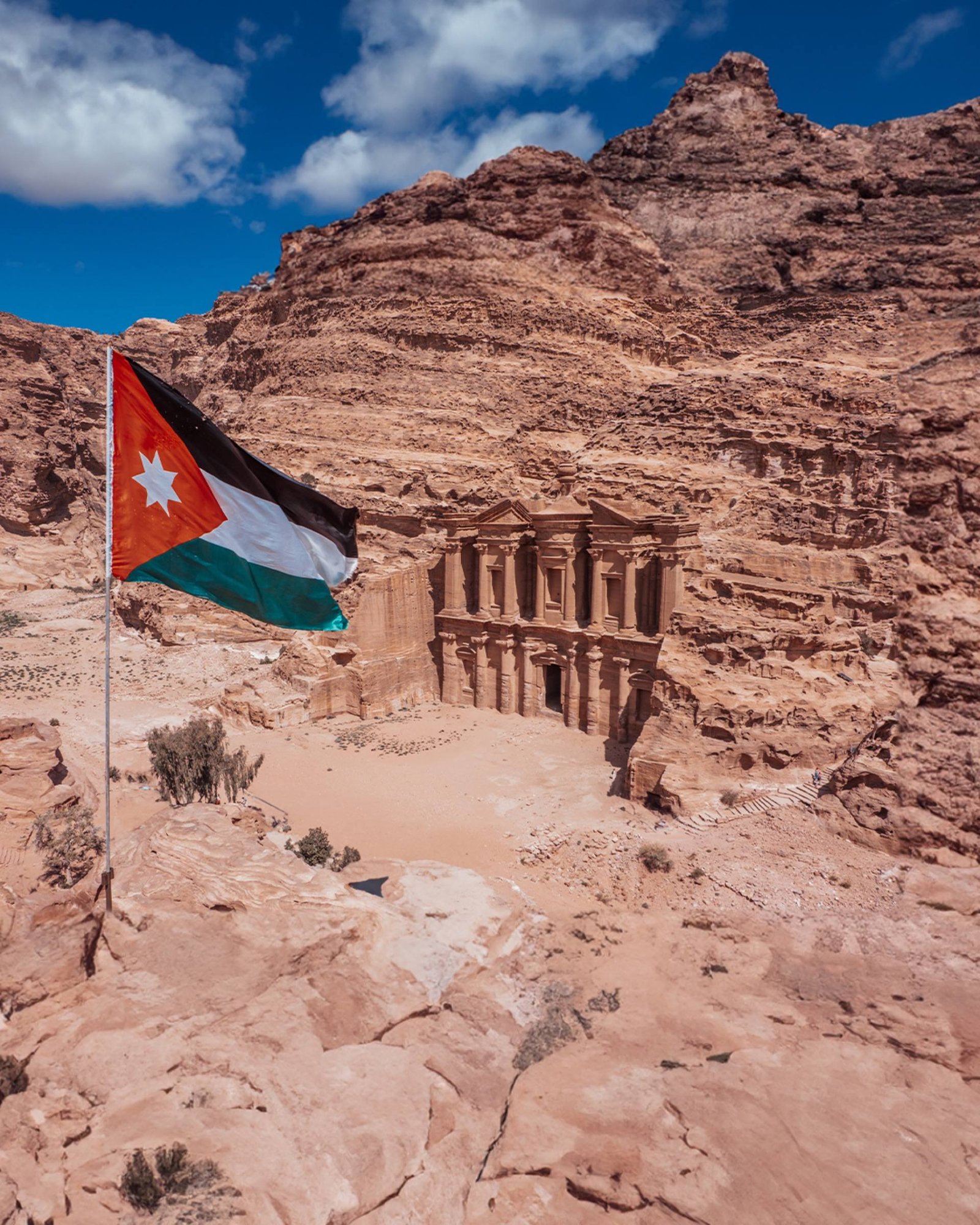
A Swiss explorer disguised as a pilgrim, bullet holes on the Treasury, Bedouin who lived in the tombs until the 1980s. The story of Petra they don't tell you at the entrance.
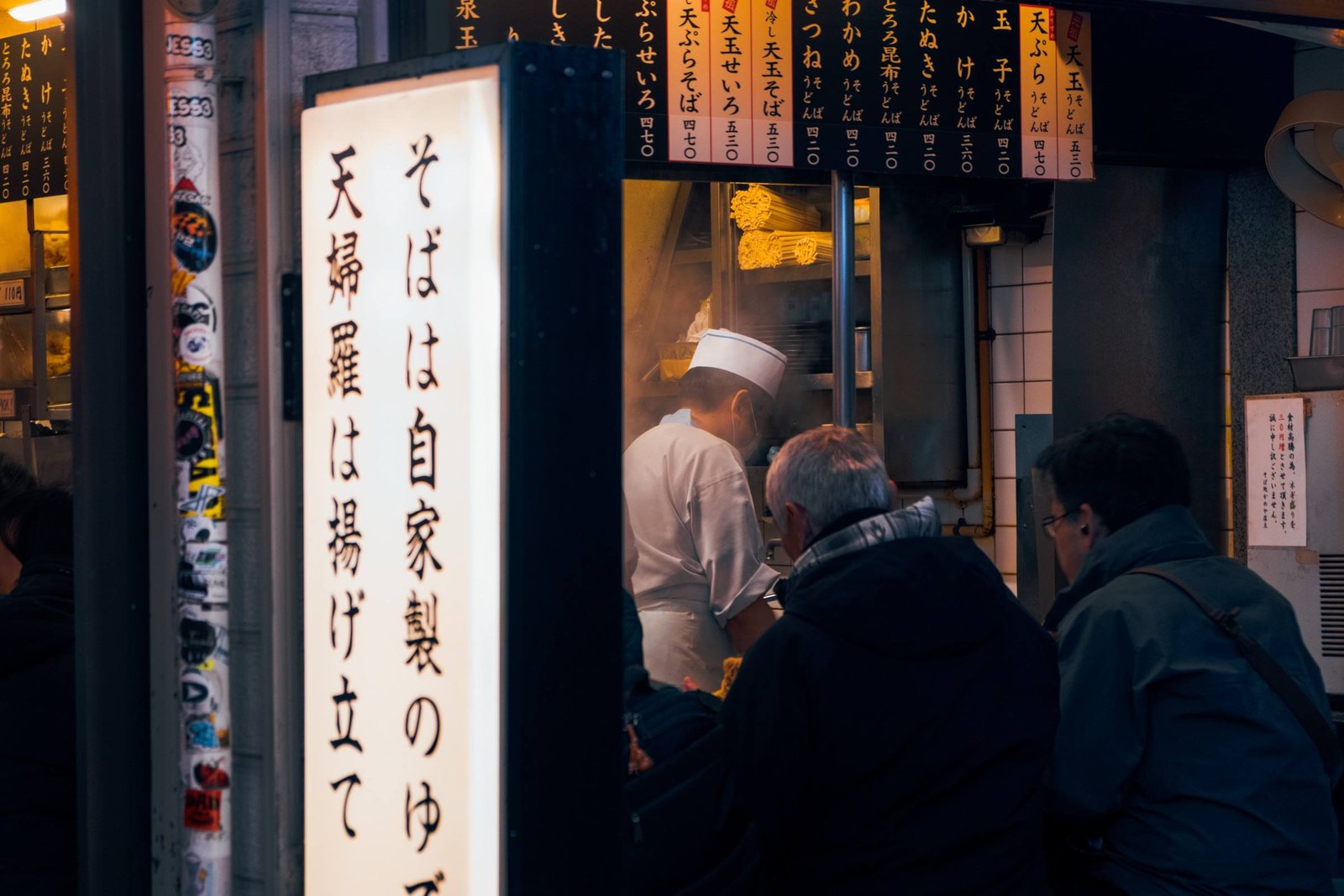
The red lantern outside, the hot towel, the little dish that arrives without being ordered and ends up on the bill. What an izakaya is, how to order and the rules worth knowing before you walk in.
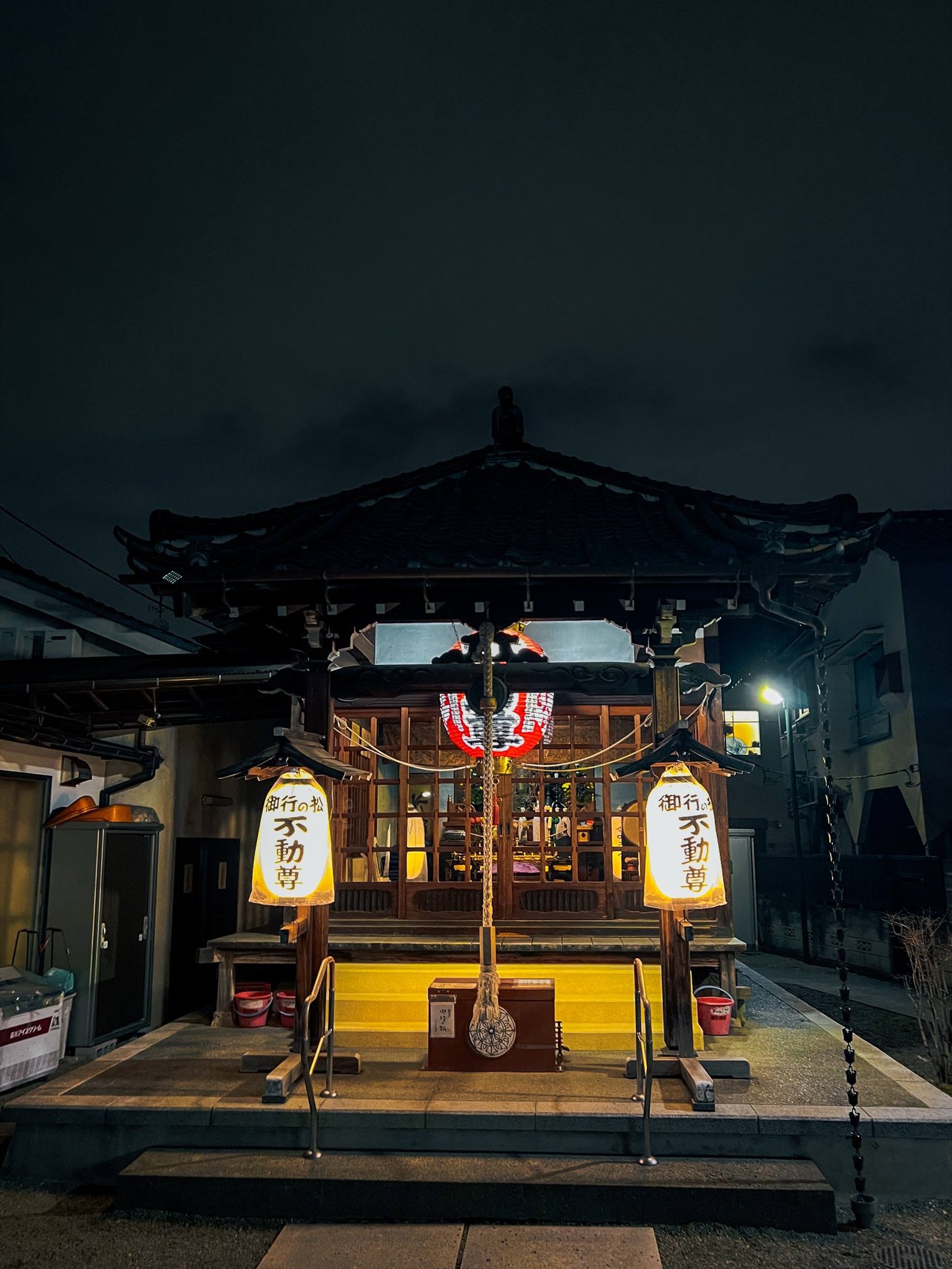
At shrines you clap your hands, at temples you don't. What a torii is, how to purify yourself at the fountain, when to bow: the etiquette of Japan's sacred places, explained simply.
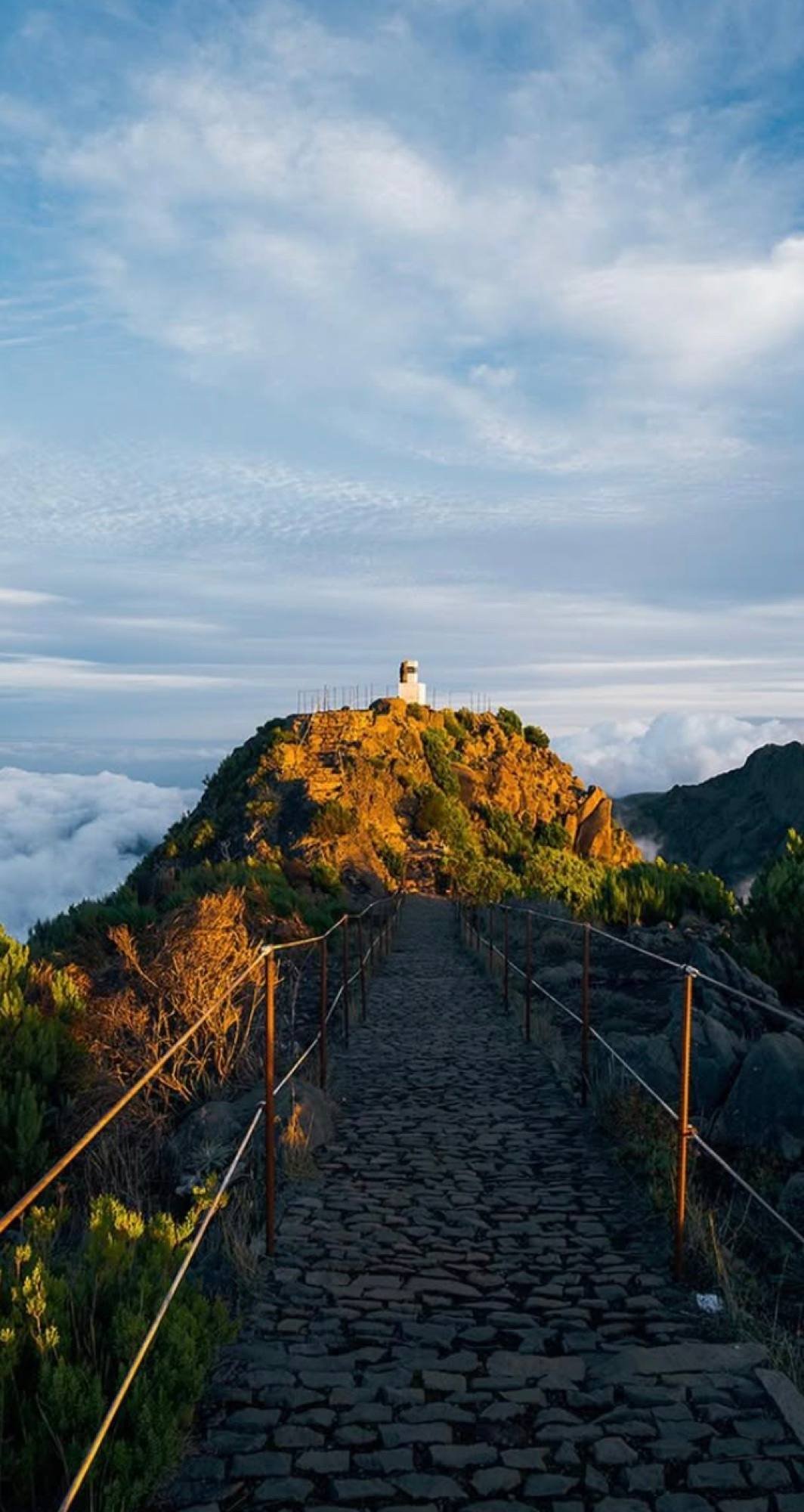
Thousands of kilometres of channels dug by hand into the rock, a fishing village that invented poncha, skewers threaded on bay laurel wood. Madeira beyond the cliffs.
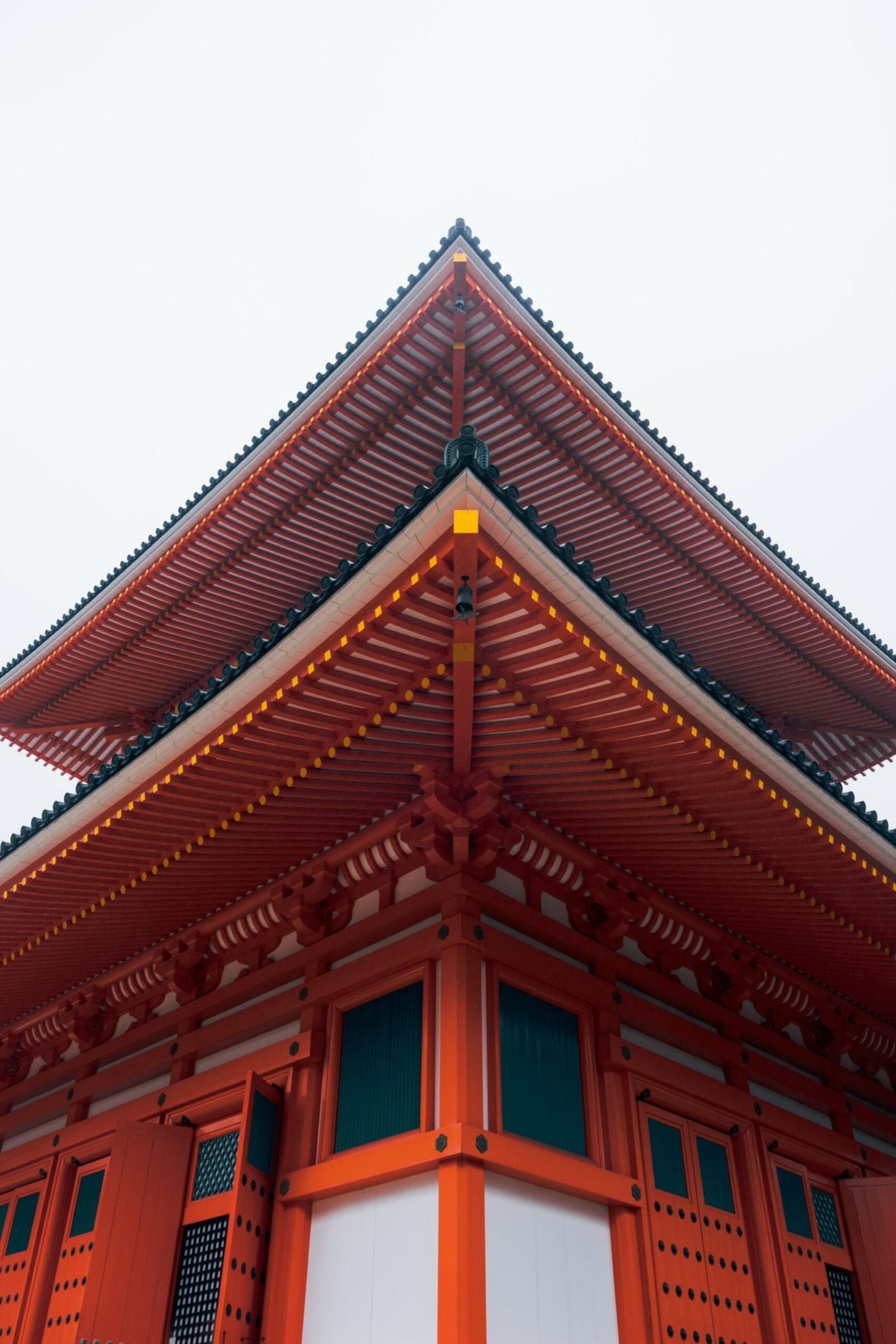
The cracks are repaired with lacquer and gold dust, and instead of disappearing the break becomes the most beautiful part of the object. What kintsugi is, where it comes from and what wabi-sabi has to do with it.
It's called "bolo", cake, but it's bread. Inside there's sweet potato, outside the mark of the basalt stone it was baked on. What bolo do caco is, where it comes from and how it's eaten in Madeira.
We use technical cookies, needed for the site to work, and, only with your consent, Google Analytics statistics cookies. You can change your choice at any time from “Cookie preferences” at the bottom of the page. Cookie policy